01
Read the land and the existing course carefully.
McDonnell & Cooper helps golf clubs move from broad ambition to practical direction. Our work combines course architecture, long-term planning, visual communication and implementation support.
The best course plans give clubs a framework for decision-making, not just a set of attractive proposals.
A golf course masterplan has to work architecturally, politically and practically. It needs to understand the land, the daily maintenance burden, the expectations of members, the ambitions of committees and the club’s capacity to deliver change.
McDonnell & Cooper helps clubs clarify priorities, test ideas, communicate proposals and move towards implementation with greater confidence.
These principles give structure to the way McDonnell & Cooper approaches course strategy, design and communication.
Existing strengths, awkward compromises and accumulated changes are identified before any new design direction is proposed.
The aim is to make the course stronger and more coherent, rather than add complexity for its own sake.
Ideas are tested against phasing, disruption, maintenance and the realities of how clubs fund and implement work.
Visuals, documents and presentations are used to reduce uncertainty and allow better conversations to happen.
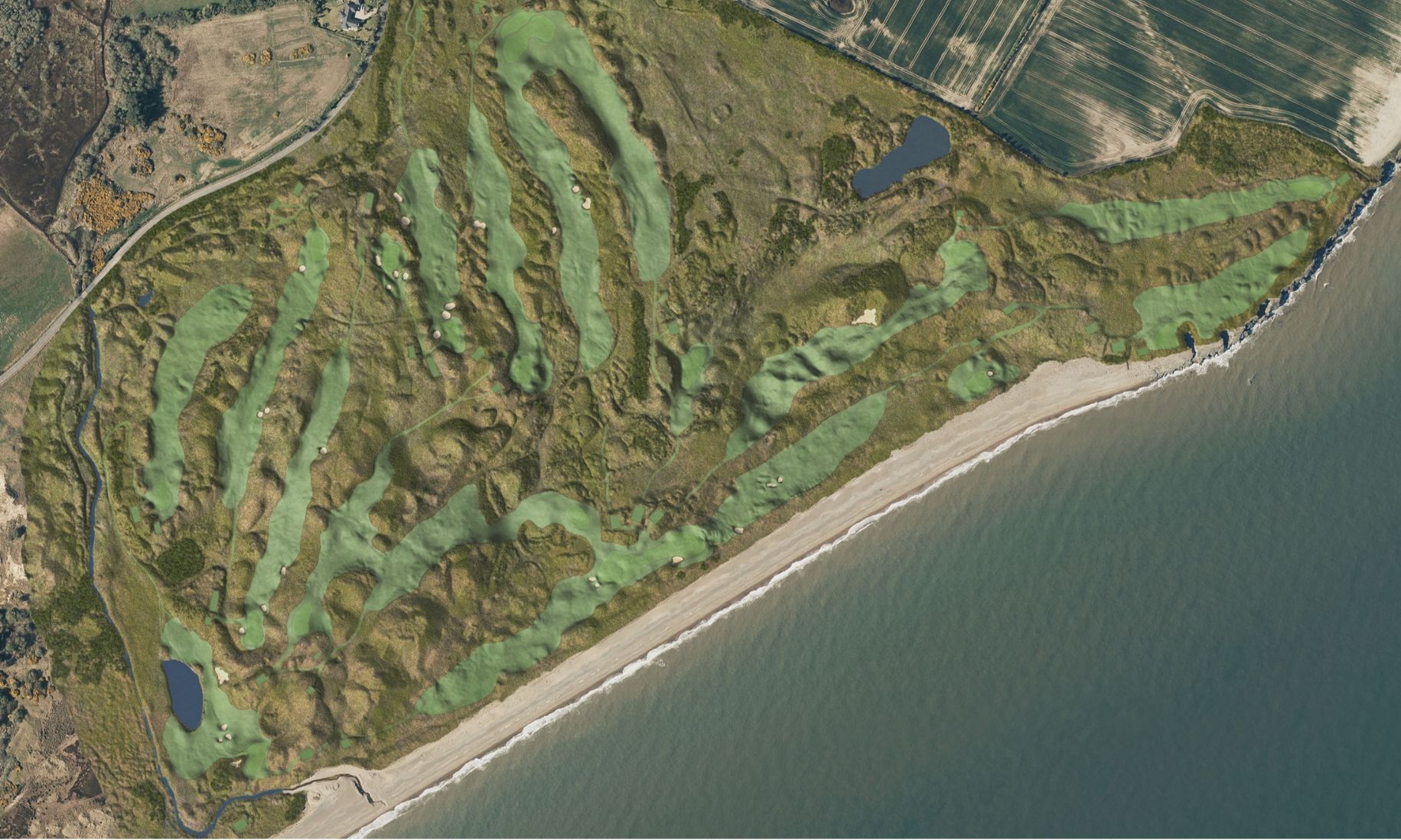
Golf course change often stalls when members are asked to support proposals they cannot properly visualise. Plans, annotated images, comparison sliders and presentation material help turn abstract ideas into something people can discuss.
For McDonnell & Cooper, visual communication is not decoration. It is part of the process of helping clubs make better decisions about course architecture, phasing and long-term investment.
Most projects move through a sequence of understanding, strategy, communication and delivery. The emphasis changes depending on the course, the club and the nature of the work.
Understand the course, its history, landscape, current pressures and the ambitions of the club.
Develop a clear architectural direction, identifying priorities, dependencies and opportunities for phased improvement.
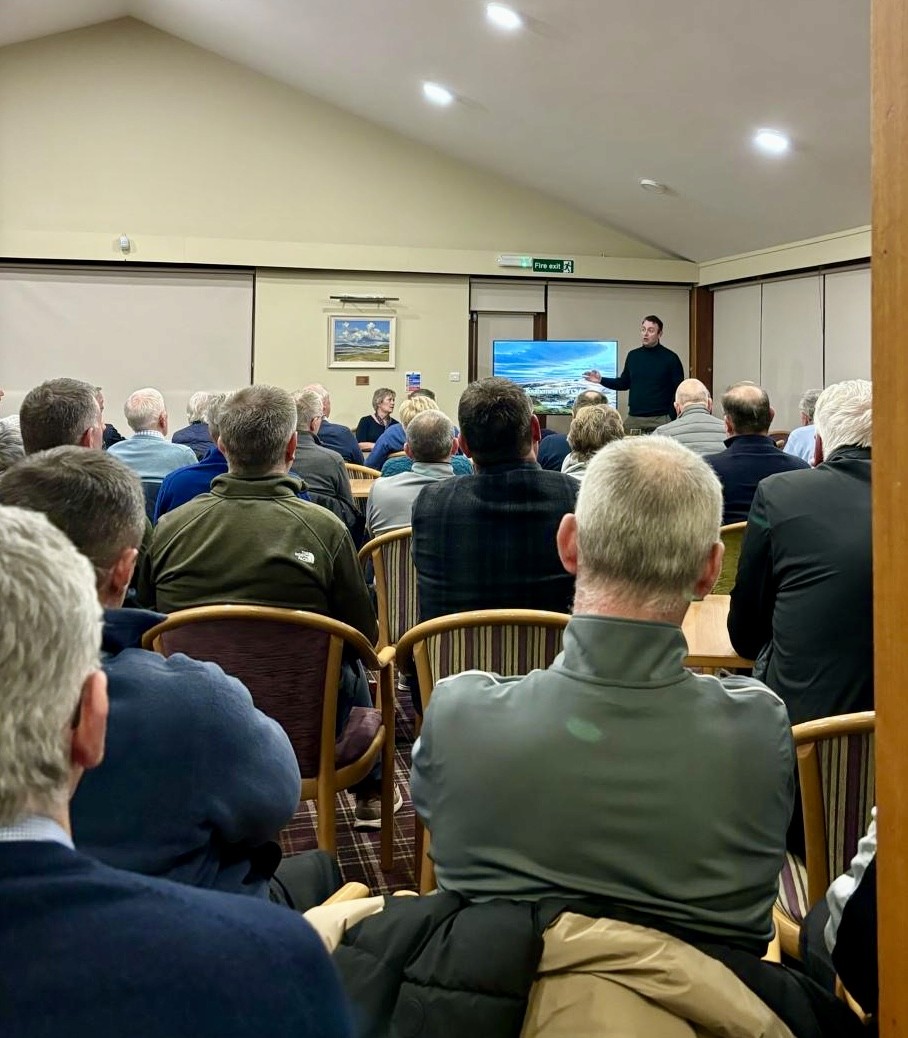
Prepare plans, visuals and presentation material that help committees and members understand the proposals.
Support the move from drawing to ground through phasing, site guidance, contractor coordination and practical refinement.
Early conversations are often broad and informal. We are always happy to discuss projects at any stage.