New Courses & Golf Landscapes

Golf-led landscapes for developers, destinations and landowners.

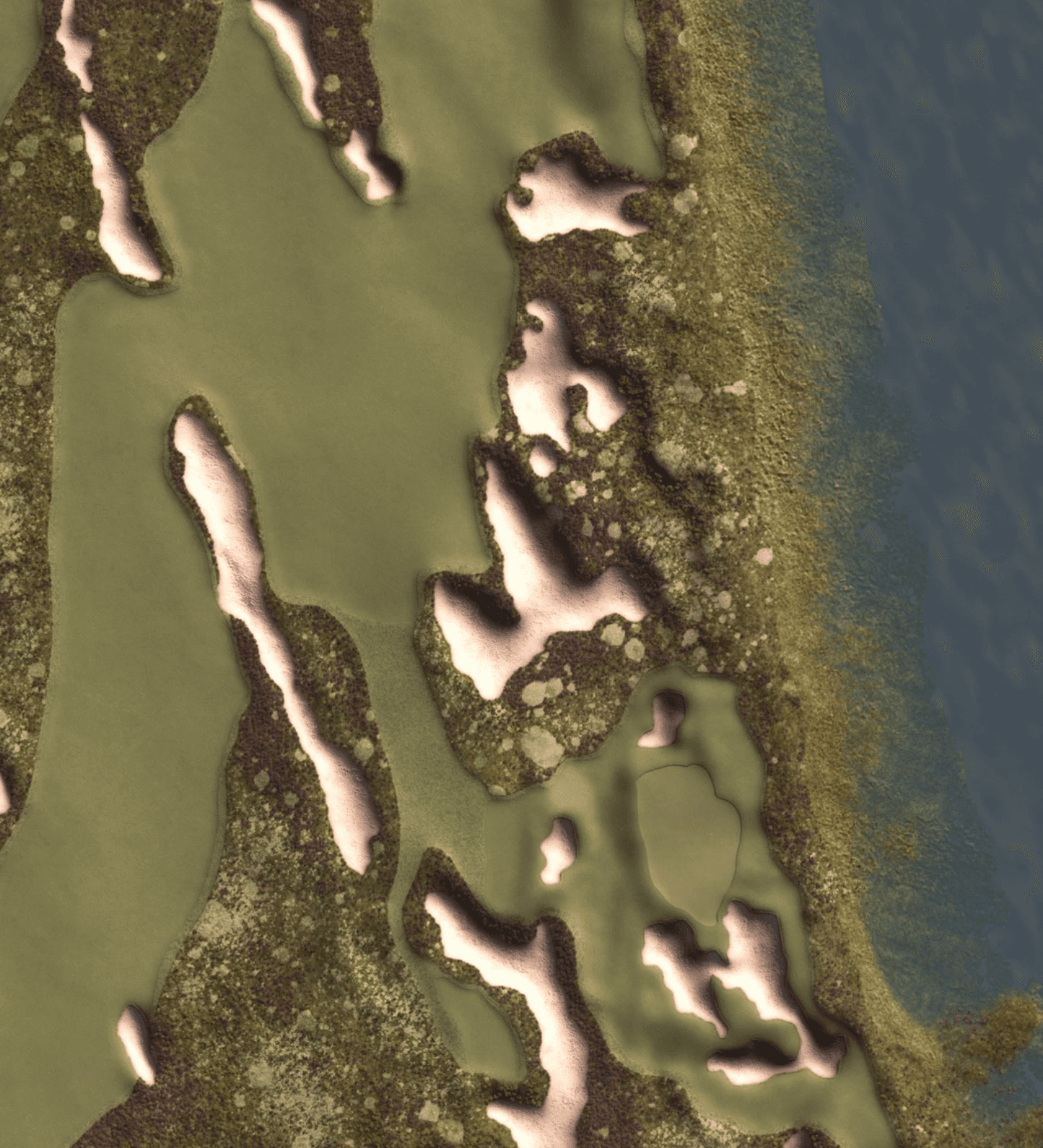
McDonnell & Cooper helps clients understand how golf can shape land, support development and create lasting identity, whether the opportunity lies in revealing exceptional natural ground or constructing a new golfing landscape from more constrained terrain.

For Developers, resorts, landowners and public authorities
Focus Routing, feasibility, landscape and development value
Scale New courses, major redevelopment and golf-led masterplans
Outcome New courses, major redevelopment and golf-led masterplans
New golf courses do not sit apart from landscape, infrastructure, planning and long-term operation. They are shaped by all of them.
A development-facing role

New courses are planning, landscape and commercial projects before they are golf projects.

A successful new golf course begins with more than a routing plan. It requires a clear understanding of land, access, water, drainage, ecology, construction, future maintenance, clubhouse location, hospitality, real estate, planning constraints and long-term commercial identity.

Our role is to help clients see how the golf course can sit within that wider framework. In some cases, the task is to find a course already latent within exceptional natural land. In others, the challenge is to create strategic golf, visual interest and surface water function from flatter, poorer or more constrained ground.

This page is intended for developers, resort owners, landowners and public bodies considering new golf, major redevelopment or golf-led landscape strategy.
Two ways to create a golf landscape

Found land and made land require different forms of judgement.

Some sites ask for restraint and careful editing. Others ask for imagination, engineering and material movement. Both require a clear architectural idea, a strong routing logic and a practical understanding of delivery.

Found land

Revealing golf within exceptional ground.

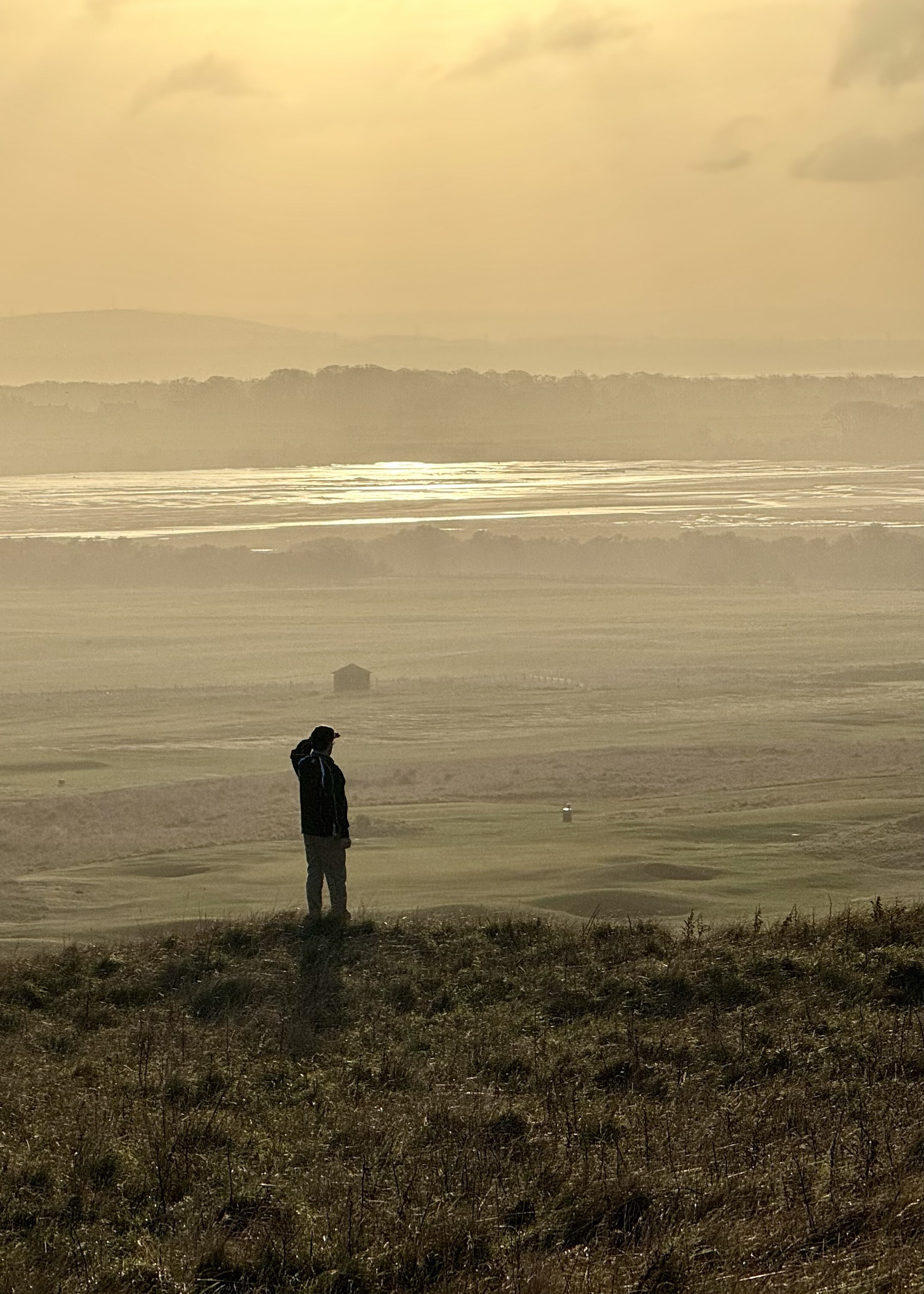
On strong natural sites, the architect’s role is often to do less, but with greater precision. Routing should work with wind, slope, vegetation, views and existing landform, allowing the course to feel discovered rather than imposed.

This approach is particularly relevant to sensitive coastal, links, heathland and upland landscapes, where unnecessary earthworks can weaken the very qualities that make the site valuable.

Use restraint where the ground already has character
Let routing follow wind, slope and natural movement
Protect the qualities that make the site valuable
Avoid unnecessary earthworks and visual over-design
Made land

Creating golf from constrained terrain.

Many development sites are not naturally suited to golf. They may be flat, heavily engineered, hydrologically sensitive or shaped by external infrastructure requirements. In these cases, the golf course can become part of the solution.

Imported material, attenuation, manufactured contour, drainage strategy and flexible routing can all be used to create a coherent golfing landscape from ground that begins with limited natural character.

Use material movement to create strategic ground
Integrate drainage and attenuation into the golf landscape
Create visual interest from constrained terrain
Make golf part of the wider infrastructure strategy
Multidisciplinary development

The golf course must work within the wider project team.

New-course and major redevelopment work often sits within a larger development process. We are used to thinking about golf alongside planning, architecture, landscape, engineering, agronomy, access and long-term operation.

01

Planning & Land Use

Working with planning consultants, environmental specialists and wider design teams to understand constraints, opportunities and the appropriate level of golf development.

02

Landscape & Ecology

Considering dune systems, habitat, vegetation management, visual impact, restoration opportunities and the long-term character of the site.

03

Engineering & Water

Integrating drainage, attenuation, surface water flow, irrigation, material movement and civil engineering within the logic of the golf course.

04

Buildings & Access

Locating clubhouse, practice, maintenance, parking, paths and arrival sequence so the golf course supports the wider destination rather than competing with it.

Where we add value

Golf strategy before detailed design.

Golf strategy before detailed design.

New Courses
01

New-build routing and feasibility

Assessing whether land can support compelling golf, how much course should be built, where it should sit and what identity it might create.

Resorts
02

Resort course redevelopment

Repositioning existing resort courses through clearer routing, improved strategy, reduced maintenance pressure and a stronger visitor experience.

Public golf
03

Engineered public landscapes

Using golf to help shape public landscapes, manage water, reuse material, create access and deliver meaningful social and recreational value.

Process

From land appraisal to development narrative.

Our early-stage work is designed to help clients, consultants and stakeholders understand what kind of golf landscape is possible, what it requires, and why it adds value.

01

Site & Landscape Appraisal

Review topography, vegetation, views, wind, water, access, boundaries, ecology and planning constraints to understand the site’s true golfing potential.

02

Routing Feasibility

Test whether the land supports 18 holes, 9 holes, a short course, academy, practice facility, reversible golf, resort golf or another form of golf-led landscape.

03

Development Integration

Coordinate golf thinking with clubhouse location, hospitality, real estate, roads, servicing, drainage, irrigation, maintenance and wider landscape strategy.

04

Visual Communication

Produce clear plans, annotated diagrams, visualisations and narrative material to explain the opportunity to investors, planners, public bodies or internal project teams.

05

Delivery Roadmap

Identify the likely next steps, required consultant input, risks, phasing logic and areas where more detailed technical work will be required.

Selected Studies

Testing new-course and redevelopment ideas at strategic scale.

These selected studies show how McDonnell & Cooper approaches routing, landscape, strategy and visual communication before a project reaches detailed design or construction.

Project image
Selected study

Highland Links Study

A strategic new-course study exploring how a dramatic Highland coastal landscape could support multiple distinct golfing experiences, from an ambitious new links course to a reimagined relief course and practice environment.

View study
Selected study

Irish Coastal Links Study

A strategic redevelopment study exploring how an established Irish links landscape could be re-routed, clarified and strengthened through pragmatic reuse, restrained intervention and a fuller relationship with the coastline.

View study
Future case study

Engineered Municipal Golf

Some new golf landscapes begin on flat or constrained land. These projects require a different design logic: material importation, surface water management, manufactured contour, reversible routing and a clear understanding of public value.

Journal note coming soon
A practical starting point

Golf Development Opportunity Review

For developers, landowners or public authorities at an early stage, a focused opportunity review can help determine whether golf is the right use of the land, what form it should take, and how it might support wider development objectives.

This is not a full design appointment. It is a concise strategic study designed to clarify potential, risk, direction and next steps.

Site and landscape appraisal
High-level routing feasibility
Golf product recommendation
Constraints and opportunities plan
Development team requirements
Visual concept material
Phasing and delivery considerations
Next-step roadmap
Start a conversation

Considering the future of your course?

Early conversations are often broad and informal. We are always happy to discuss projects at any stage.

Contact McD&C