Golf Club Consultancy

Clearer decisions for existing golf clubs.

McDonnell & Cooper works with golf clubs to understand their courses, resolve long-term issues, communicate change clearly and move from strategic intent to deliverable work on the ground.

For Members’ clubs, private clubs, public courses and resort courses
Focus Strategy, architecture, communication and delivery
Scale Single-hole studies to full strategic masterplans
Outcome A clearer long-term direction for the course
Good course planning is not only about what should change. It is about why, when, how, and how those decisions are explained.
Why clubs come to us

Most course questions are connected to something larger.

A club may begin with a bunker issue, an unsafe boundary, a weak green, a congested practice area or a hole that no longer functions as intended. Often, however, the real question sits beyond the immediate problem.

Our role is to help clubs see those relationships clearly. We combine golf course architecture, routing analysis, landscape judgement, visual communication and practical implementation support so that decisions can be made with greater confidence.

The objective is not to produce change for its own sake. It is to help clubs understand which changes matter, which do not, and how a coherent long-term plan can be delivered in stages.
Common issues

The problems clubs ask us to help resolve.

Every course is different, but many clubs are dealing with a familiar combination of architectural, operational and political challenges.

01

Routing and safety

Boundary pressure, road proximity, crossing points, congested tees and outdated playing lines can often be addressed more effectively through design than repeated mitigation.

02

Strategic weakness

Many courses have lost choice, width, angle and variety over time. Good architecture restores clearer decisions rather than simply adding difficulty.

03

Course evolution

Tree growth, bunker changes, new tees, drainage work and historic alterations can gradually distort a course unless they are held within a wider plan.

04

Practice provision

Busy clubs often need better short-game, putting, coaching and warm-up facilities, but these must be integrated into the course rather than treated as leftover space.

05

Member confidence

Even strong proposals can fail if they are poorly explained. Visual communication and clear reasoning are central to building support for change.

06

Deliverability

Clubs need to understand cost, disruption, phasing, contractor requirements and how work will be managed alongside normal play and greenkeeping operations.

Consultancy services

From focused advice to full masterplanning.

Our work can be structured around a specific issue, a small group of holes, or the full course. The appropriate scope depends on the nature of the question.

01

Strategic Masterplans

Course-wide plans covering routing, architecture, landscape, safety, practice facilities, phasing and long-term priorities.

02

Architectural Reviews

Focused studies of greens, bunkers, tees, fairways, trees, hazards or specific holes where a club needs clear independent advice.

03

Routing Studies

Analysis of course flow, hole sequence, safety, walking, land use and whether reconfiguration could unlock wider improvement.

04

Member Communication

Reports, presentations, before-and-after visuals, annotated plans and written material to help clubs explain proposals clearly.

05

Implementation Support

Support through phasing, technical design, tendering, site meetings, shaping review and collaboration with greenstaff and contractors.

06

Historic Research

Use of archive plans, aerial photography and historical analysis to understand how a course has changed and where lost character might be recovered.

How the work develops

A clear process from review to delivery.

The best outcomes usually come from a structured process: understand the course properly, identify the right priorities, communicate them clearly and support the club through implementation.

01

Listen & Review

Meet the club, understand the brief, walk the course and identify the issues, opportunities and constraints that need to shape the work.

02

Analyse the course

Review routing, strategy, landform, history, safety, drainage, landscape, maintenance, playability and the experience of different golfers.

03

Develop the strategy

Prepare plans, options and recommendations that distinguish between essential work, desirable improvements and longer-term opportunities.

04

Communicate the vision

Create visual and written material that helps committees, greenstaff and members understand what is proposed, why it matters and how it can be delivered.

05

Support implementation

Assist with phasing, technical detail, contractor conversations, construction oversight and post-completion refinement where required.

A key difference

Communication is part of the design work.

For many clubs, the hardest part of a project is not only deciding what should change. It is helping members understand why the change is necessary, what benefit it brings and how disruption will be managed.

For committees and managers

Better material for better decisions.

Good visual and written material helps decision-makers test proposals, understand implications and build a shared position before presenting change to the wider membership.

Clear rationale for each recommendation
Phasing and priority-setting
Visual explanation of options and consequences
Material suitable for committee and member presentation
For members and stakeholders

Helping people understand what is proposed.

Members do not need to agree with every detail immediately, but they do need to understand the problem being solved. This is where plans, renders, sliders, photographs and clear prose matter.

Before-and-after visualisations
Annotated course plans and hole diagrams
Simple explanation of strategic and practical benefits
Reduced risk of confusion, speculation or resistance
Relevant projects

Examples of club consultancy in practice.

These case studies show how different types of club problem can be approached through architecture, routing, visual communication and deliverability.

Selected work

Formby Golf Club

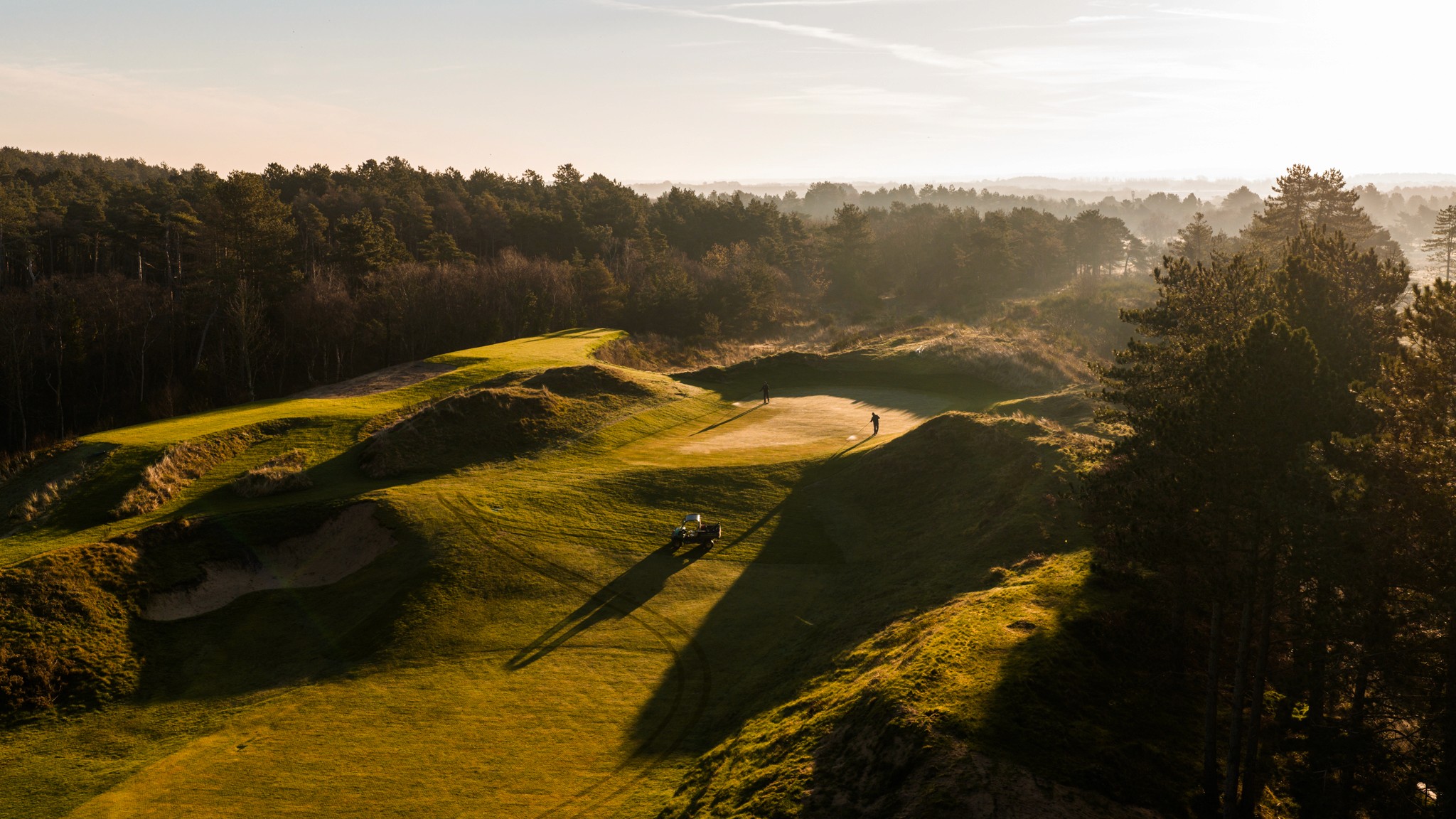
Reconstruction of a par-4 within an existing dune corridor, resolving fairway and green performance issues while introducing a clearer strategic choice from the tee.

View project
Strategic masterplan

Dunstable Downs

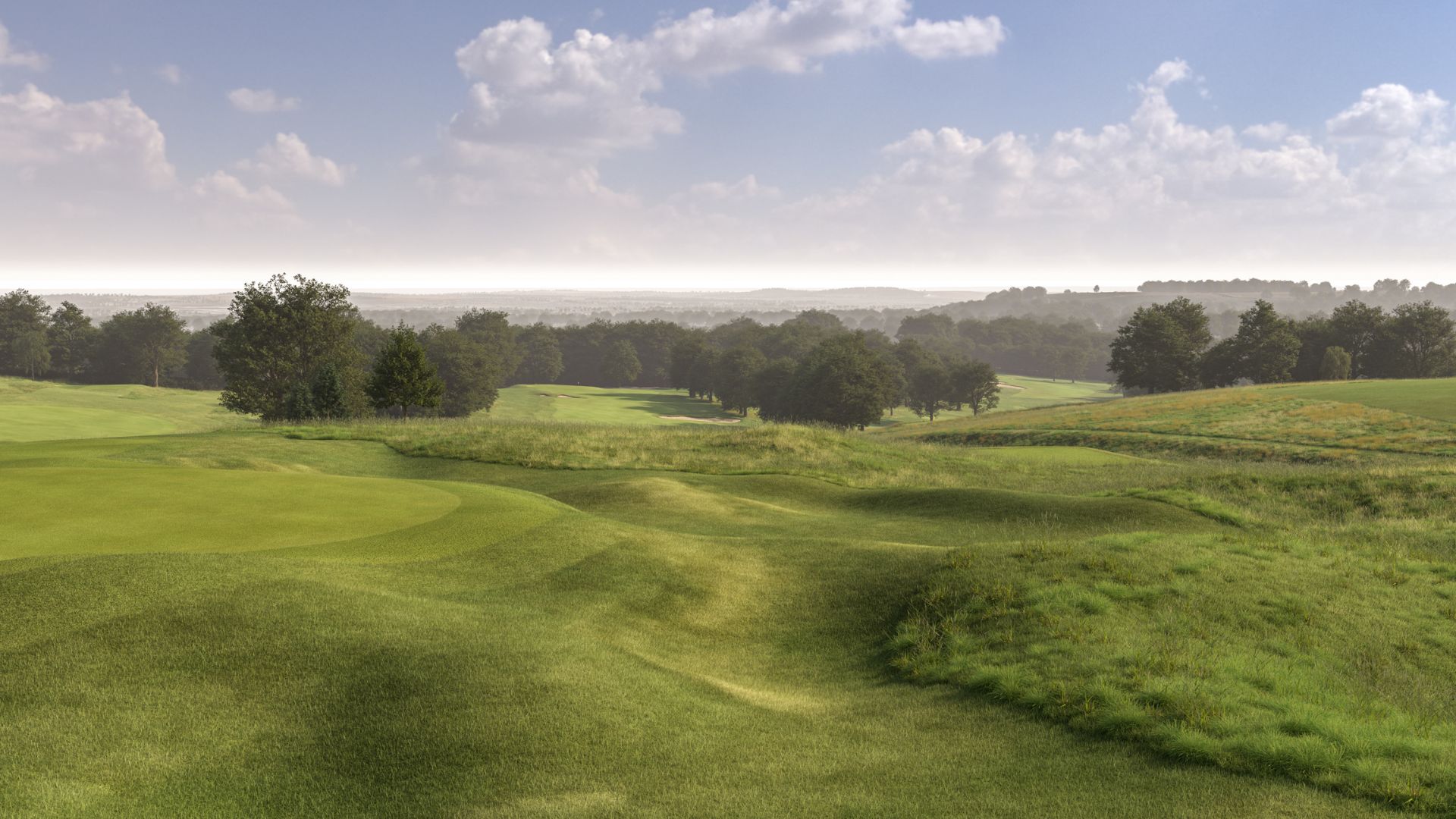
Routing-led masterplan addressing boundary pressure, practice provision and downland restoration through targeted structural changes.

View project
Coastal routing

Southerness Golf Club

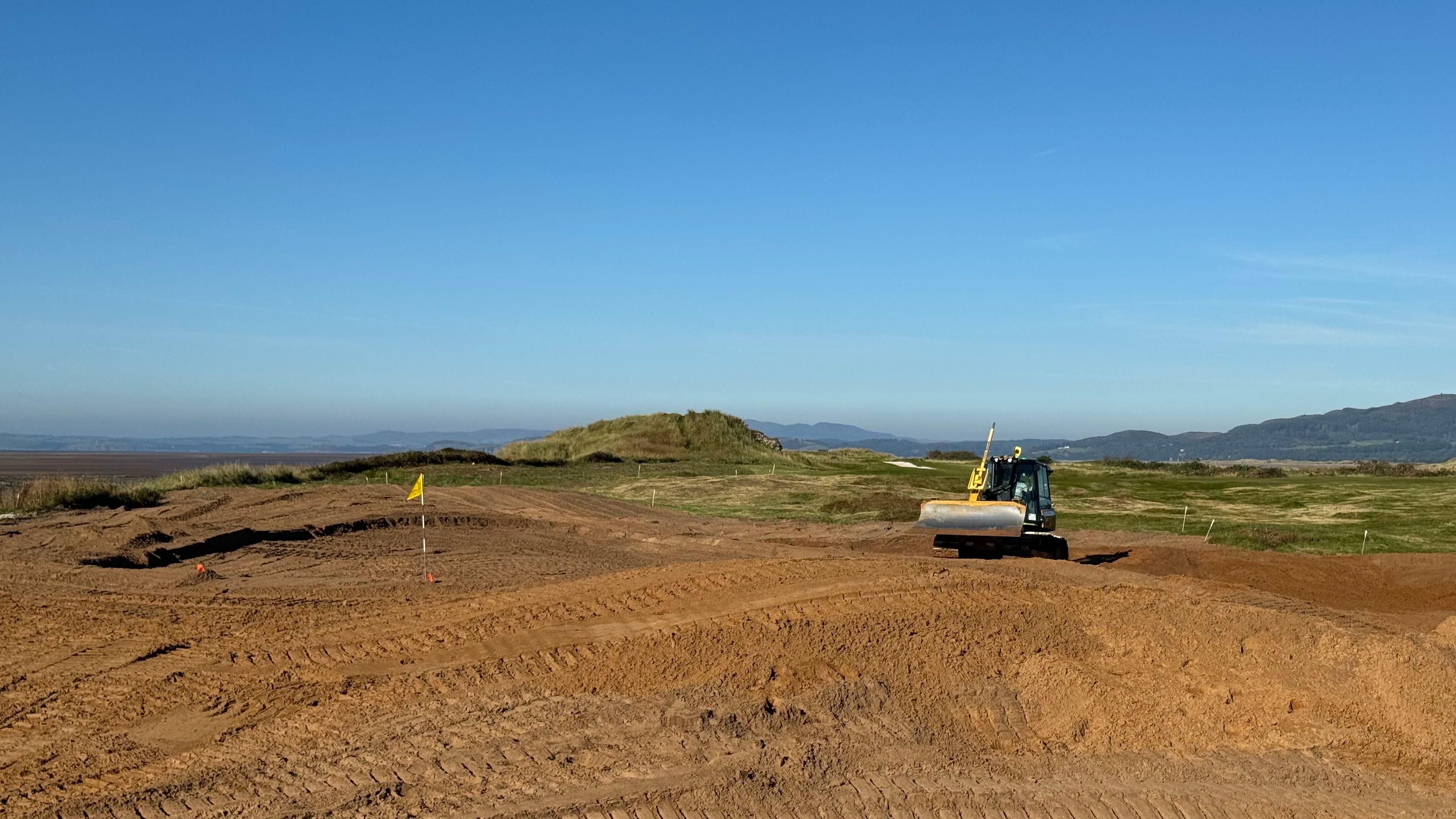
New coastal holes and a reimagined closing sequence delivered through a phased and pragmatic approach.

View project
A practical starting point

Initial Course Review

For clubs unsure whether they need a full masterplan, a focused initial review can be the most useful first step. It allows the club to test the scale of the issues, understand where architectural input is most valuable and decide what level of work is appropriate.

The output can be kept concise or developed into a wider brief for masterplanning, member communication or implementation support.

Site walk and course review
Discussion with club leadership and greenstaff
Identification of key issues and opportunities
Initial recommendations and next steps
Indicative phasing and priority advice
Scope for a full masterplan if required
Start a conversation

Considering the future of your course?

Early conversations are often broad and informal. We are always happy to discuss projects at any stage.
Contact McD&C