Project

Formby Golf Club

A new par-4 hole at Formby Golf Club designed to strengthen strategic variety and improve routing through an existing dune landscape.

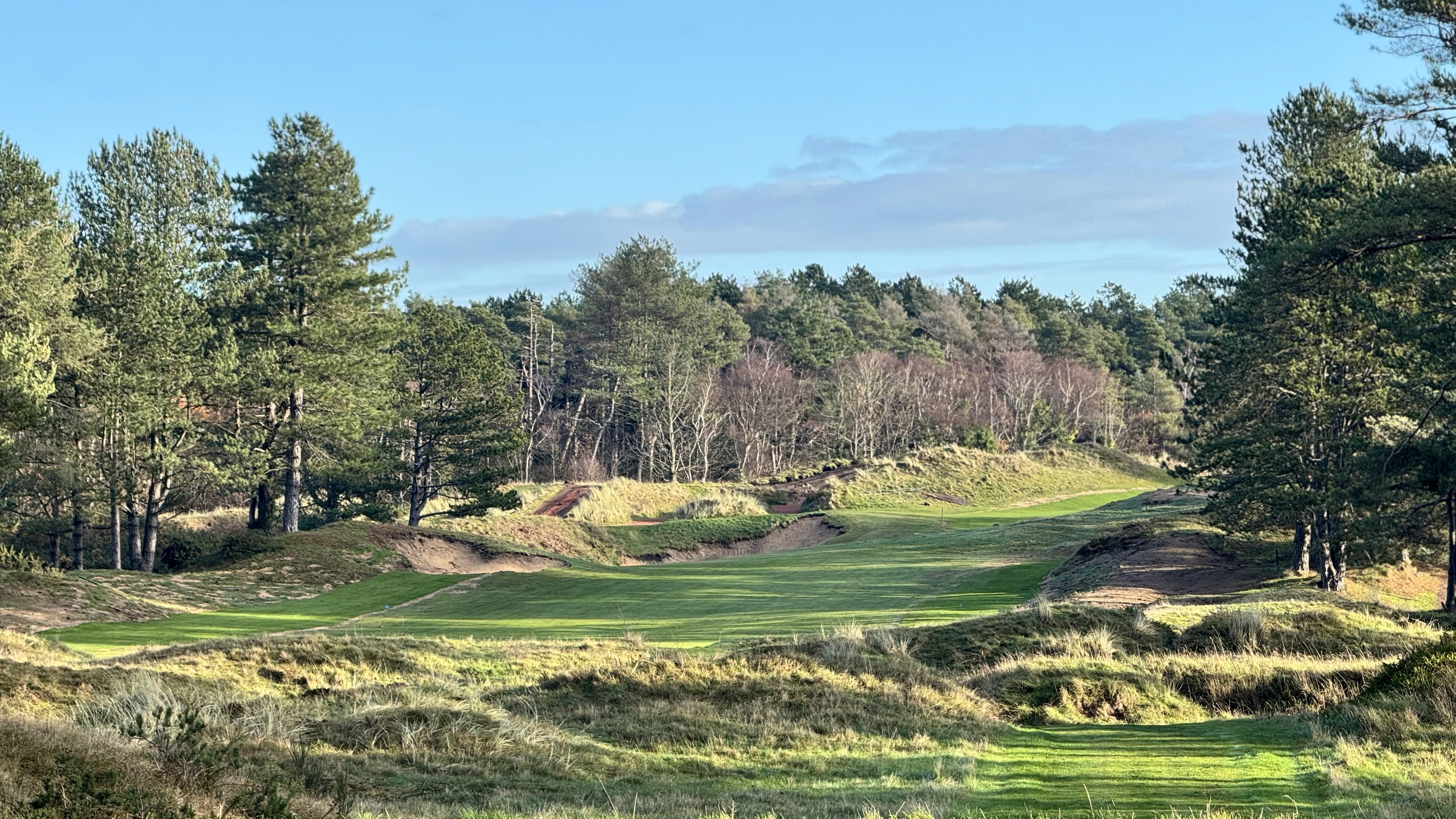
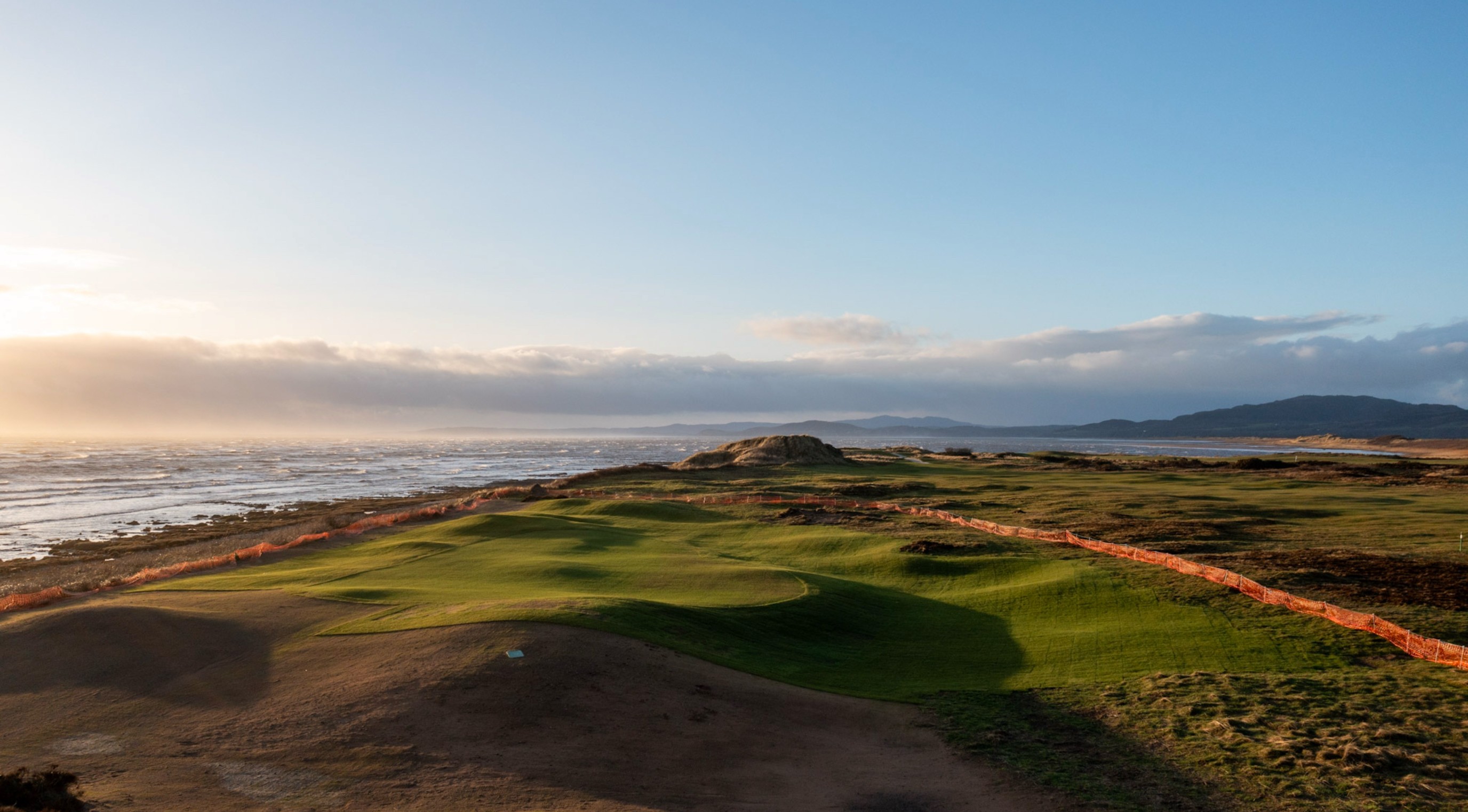
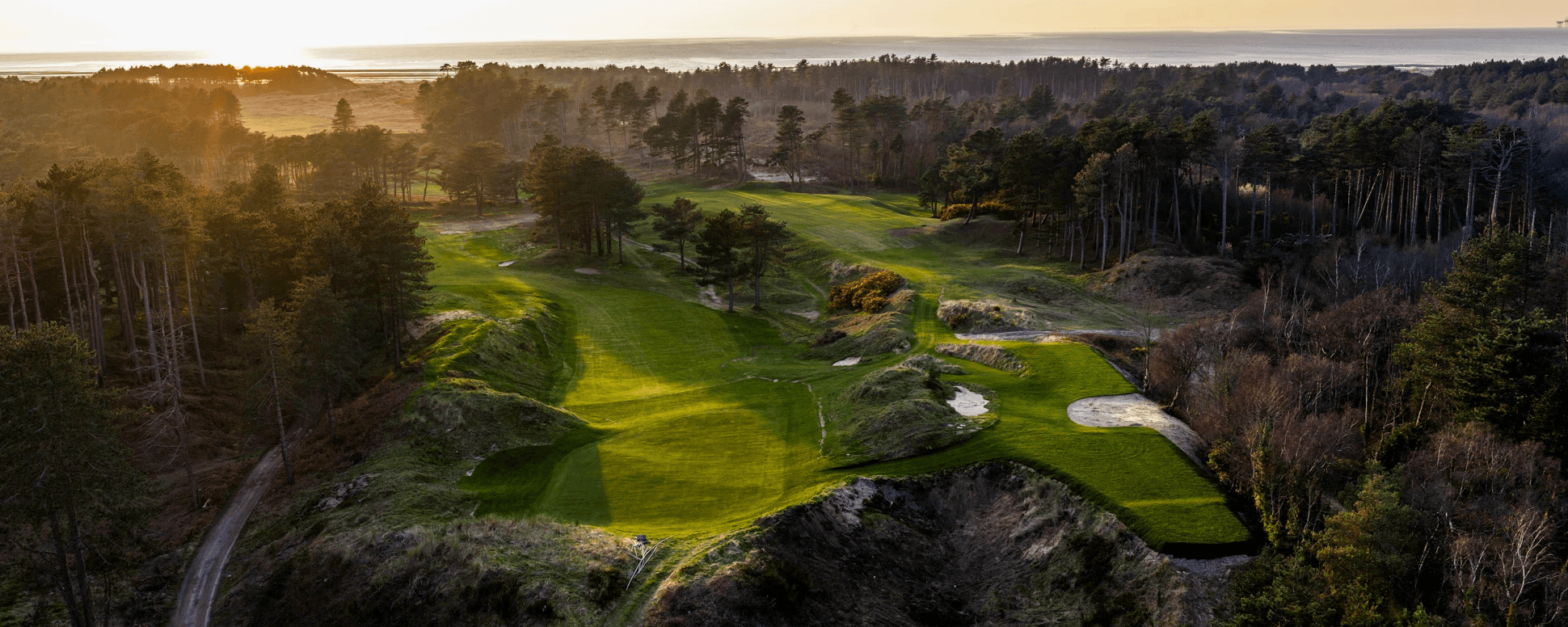
Formby Golf Club, 7th hole.
Project Type
New hole design
Landscape
Links
Location
Formby, England
Status
Built
Services
Architecture, strategy, member communication
Context

A New Strategic Par 4 at Formby

The project centred on the redesign and reconstruction of an existing par-4 hole at Formby Golf Club. Originally built during the 1980s, the hole occupied a dramatic dune corridor but suffered from several technical and strategic limitations. The second half of the fairway remained persistently wet through parts of the year, while the green itself had become overly severe, limiting usable pin positions and compromising the long-term quality of the playing surface. The club approached McDonnell & Cooper to resolve these issues while retaining the distinctive character of the hole and its surrounding landforms.

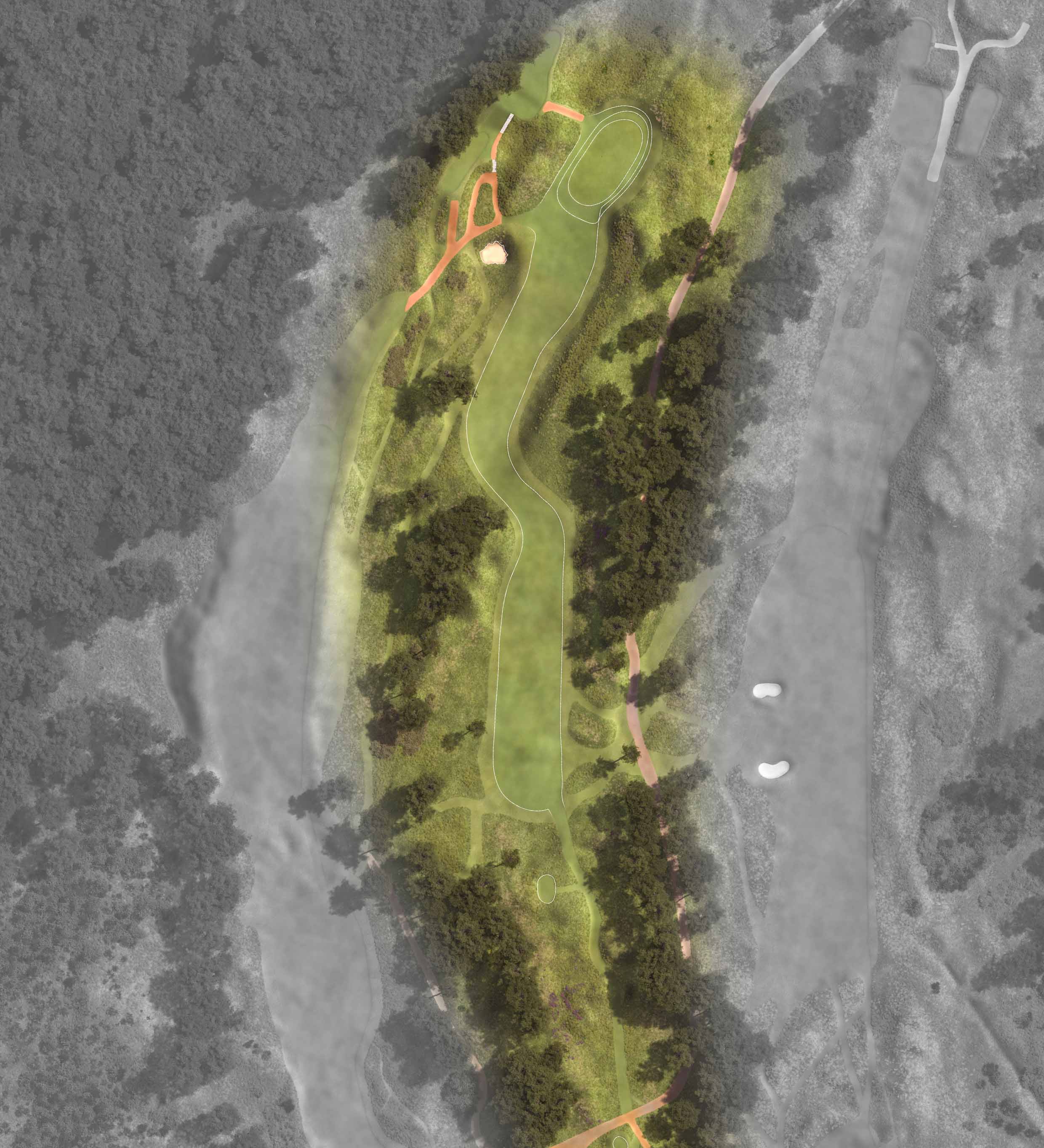
There had been previous discussion around removing the large dune that partially obscured views towards the green. Instead, the design strategy sought to embrace this feature and make it central to the architecture of the hole itself. The intention was not to impose a dramatic new architectural language upon the site, but to create a more strategically engaging and technically functional version of the hole that felt entirely natural within Formby’s existing dune landscape.

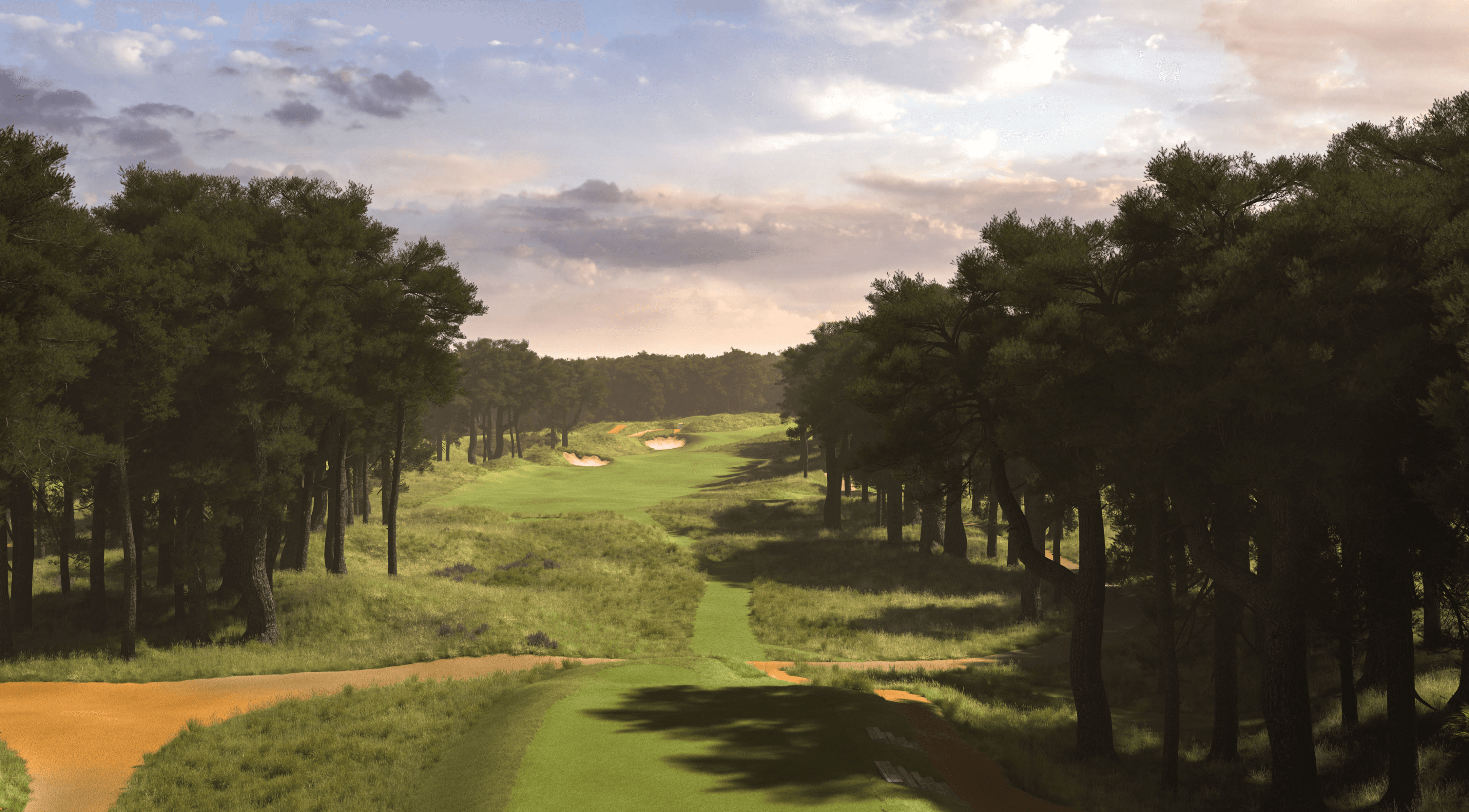
Looking back down the new 7th, the enclosing dunescape is embraced to provide the hole’s strategy.
Analysis

Existing Conditions & Architectural Opportunity

Although the corridor possessed strong natural character, the original hole lacked strategic variety from the tee and suffered from several technical shortcomings that limited both playability and presentation.

01

Limited Strategic Definition

The original fairway offered little meaningful distinction between the left and right side of the hole. Players were neither encouraged nor rewarded for shaping the drive or favouring a particular angle. In practice, the hole functioned largely as a straight corridor through the dunes rather than fully utilising the strategic possibilities offered by the terrain.

02

Drainage & Fairway Performance

The lower portion of the fairway remained wet through parts of the year, affecting both turf quality and year-round playability. Resolving this issue formed a central technical component of the project, with the second half of the fairway ultimately raised by almost a metre before being re-turfed and seamlessly reintegrated into the surrounding landscape.

03

A Green With Limited Flexibility

The original green had become overly severe and provided insufficient pinnable area for long-term flexibility. The club required a technically sound putting surface capable of supporting a wider variety of hole locations while still retaining strategic interest and responding naturally to the surrounding dune movement.

04

Communicate clearly

Visual material and member communication helped the project move from concept to implementation.

Before
After
Before / after

Creating a new hole within an existing landscape.

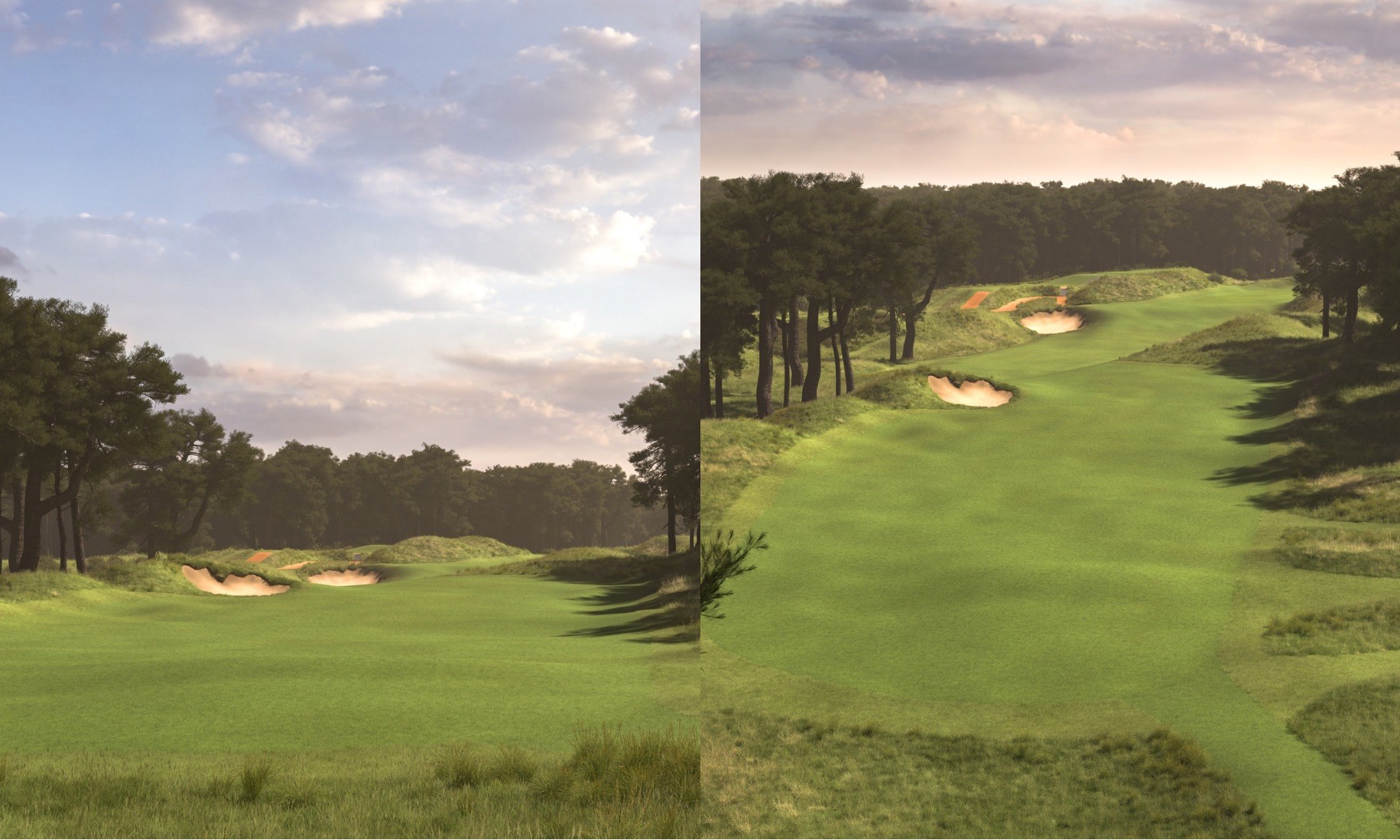
The redesigned hole retains the dramatic dune setting while introducing a strategic dilemma on the drive, improved turf performance in the raised second half of the fairway and a rebuilt green complex. The slider shows how the two bunkers are separated by more than one hundred yards, with the apparent compression created entirely through perspective.

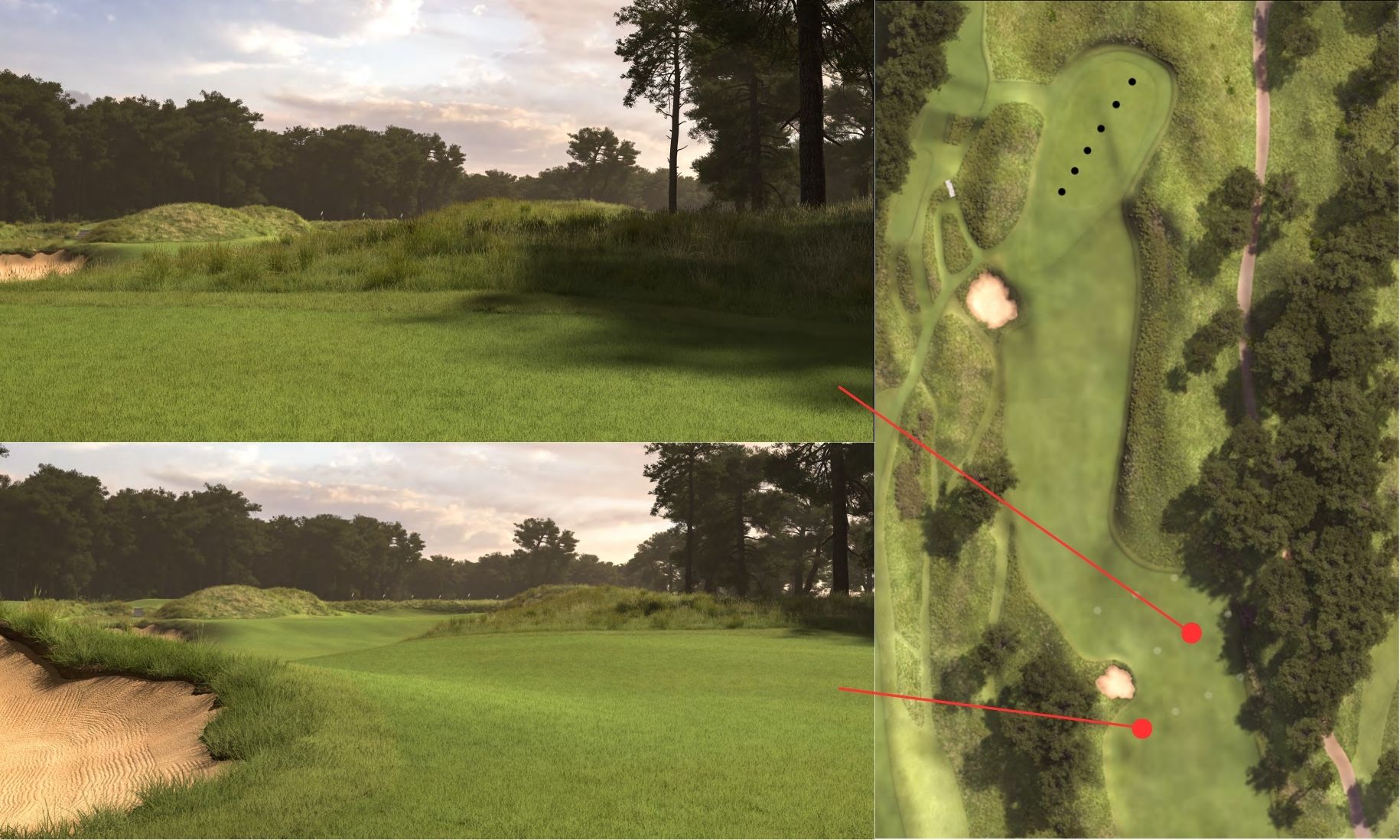
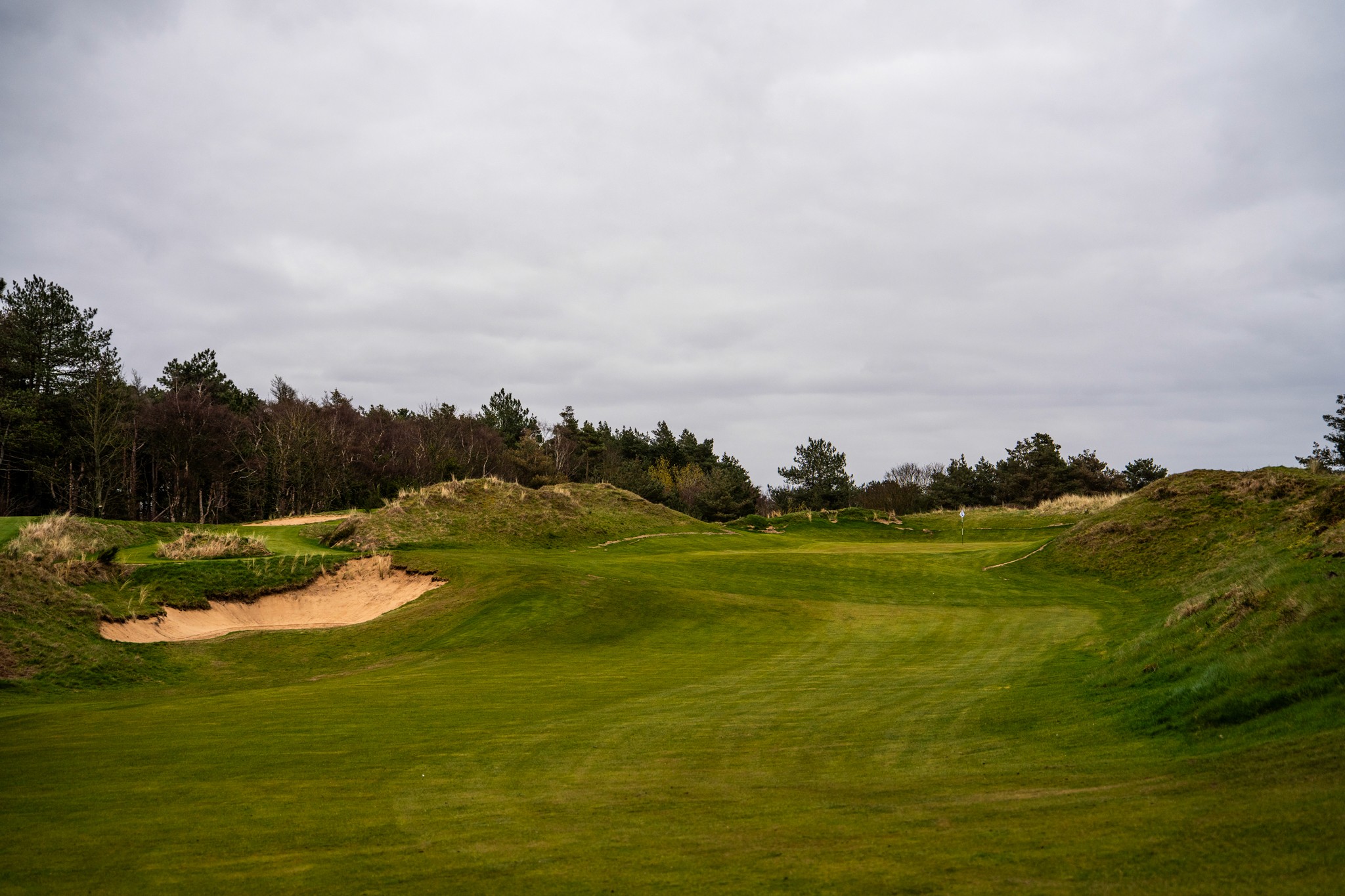
The rebuilt green was also expanded and subtly rotated clockwise upon its axis, increasing the benefit of approaching from the more challenging left side of the fairway. From this angle, greater visibility into the green and improved access to the full width of the putting surface is gained, while approaches from the safer right side become progressively more obscured and defensive in character.

Proposal

Architectural Response

Rather than substantially altering the dune corridor itself, the project focused on strengthening strategic interest through subtle landform use, angle and perception while resolving the underlying agronomic and technical deficiencies of the hole.

01

Retaining The Dune As A Strategic Feature

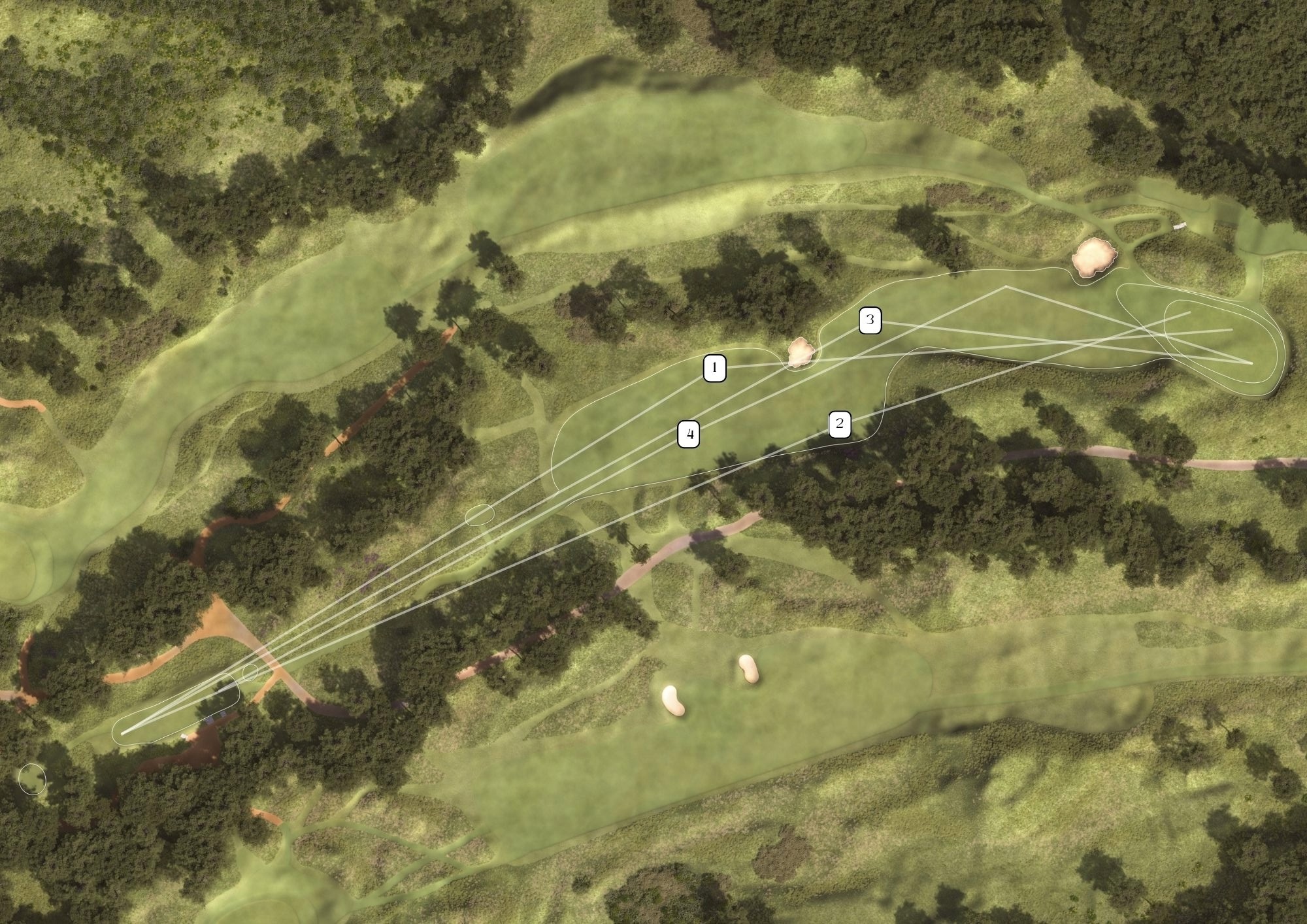
Rather than removing the large dune that screened portions of the approach, the design embraced it as a defining strategic element. By widening the opening section of fairway and utilising the natural camber within the ground, the preferred line from the tee became the more challenging left side of the fairway, rewarded with improved visibility towards the green.

02

Creating Strategic Contrast From The Tee

Players favouring the safer right side of the fairway would face a more obscured approach angle, with the dune and green orientation combining to create a more difficult recovery towards certain hole locations. In this way, the strategy of the hole emerged less through overt hazard placement and more through positioning, angle and the subtle use of visibility.

03

Psychology & Perception

A new fairway bunker was introduced at the point where the fairway rolls down from the ridge into the lower section beyond. This bunker was carefully aligned with an existing greenside bunker to create the visual impression that the ideal driving line was partially blocked. In reality, the two hazards sit more than one hundred yards apart. The intention was to create a subtle psychological challenge from the tee while encouraging players to use the natural ground movement to gain the optimum position.

04

Rebuilding The Putting Surface

The green was entirely stripped and reconstructed to provide a technically sound and more flexible putting surface. A new back-right tier was introduced, strengthening the strategic relationship between the preferred line from the tee and the subsequent approach while significantly increasing the variety of usable hole locations available throughout the season

Design Elements

Key Features Of The Hole

The redesigned 7th was built around a small number of precise interventions. Together, they resolved the technical shortcomings of the existing hole while creating a more strategic and memorable par 4, rooted in Formby’s landscape and architectural character.

01

Creating Options From The Tee

Strategic golf is not defined by narrow fairways or punitive outcomes. It is the game played between the ears. At Formby, the intention was to create a hole that asked questions of every golfer, while allowing different answers depending on confidence, length and accuracy.

The redesigned hole uses the landscape itself, together with a degree of golfing psychology, to create a series of possible routes to the green. Some are safer but leave a more awkward approach. Others require greater conviction from the tee but offer a clearer view, a better angle and improved access to the more exacting hole locations.

02

Why Angle Matters

A central aim of the redesign was to ensure that different driving positions produced genuinely different approach shots. The left side of the fairway, though slightly farther from the green, provides the clearer and more sympathetic angle. From here, the reshaped entrance and lowered green work with the natural contours to receive a longer approach.

The right side offers a shorter route, but a far more awkward one. From this position, the player approaches across the long axis of the green, with visibility reduced and the back-right portion of the surface especially difficult to access. The intention was not to create a blind slog, but to preserve strategic obscurity while keeping the target legible enough to aid pace of play.

03

Using Visual Trickery To Influence Play

One of the key architectural ideas in the hole is the relationship between the fairway bunker on the ridge and the expanded greenside bunker beyond. Although separated by more than 100 yards, the two appear from the tee to sit almost together.

That visual compression is deliberate. It encourages doubt, makes the direct line feel less inviting, and subtly pushes the uncertain player towards the safer but weaker right side of the hole. In reality, the apparent obstruction is largely illusory. The player who trusts the line and uses the ground correctly is rewarded.

04

Rebuilding The Green For Function And Variety

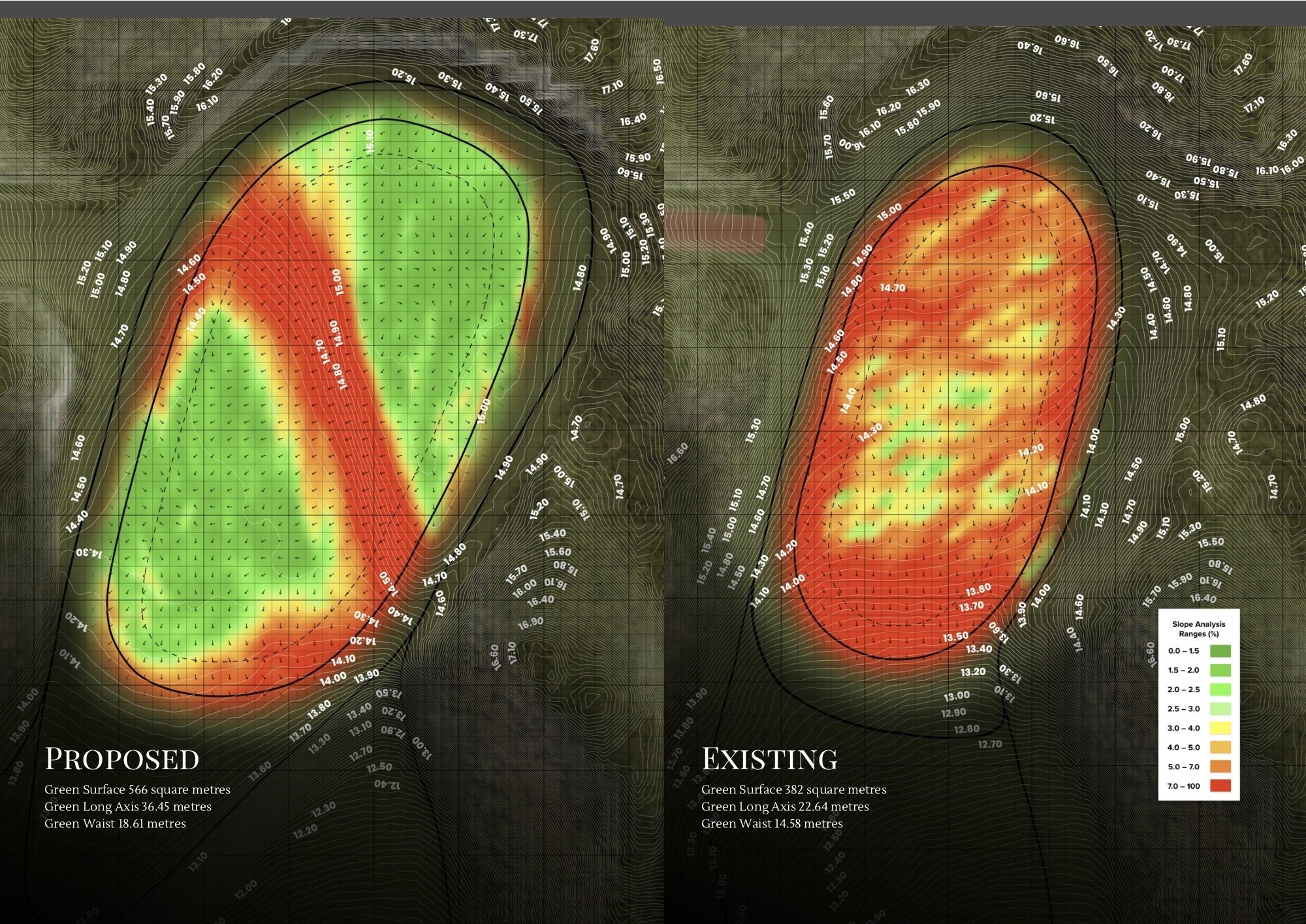
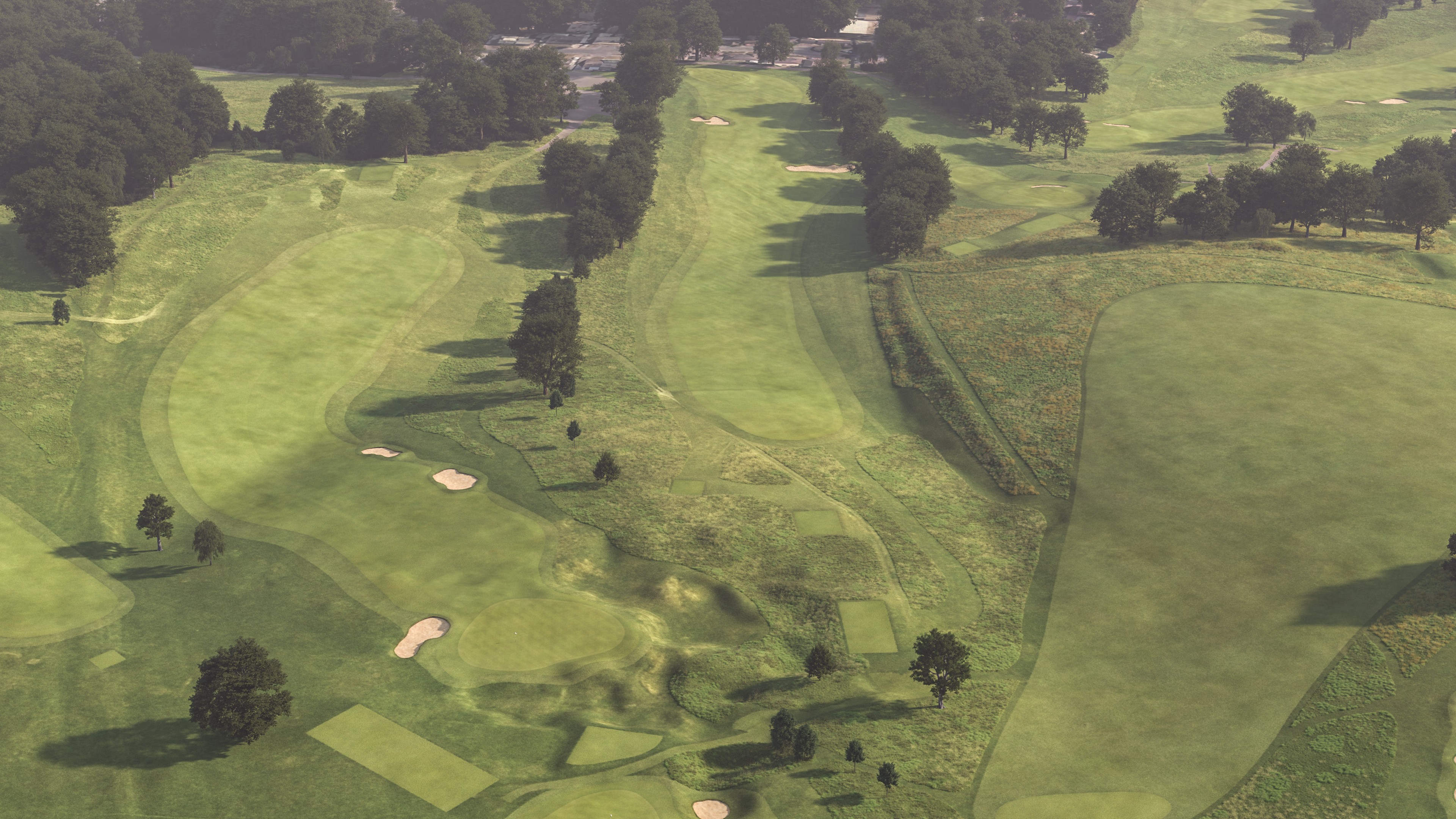
The existing green was too small, too steep and too limited in its usable hole locations. Rebuilding it created a technically sound putting surface with significantly greater pinnable area, a stronger back-right tier and a shape better aligned with the wider strategy of the hole.

The comparison demonstrates that the proposal was not simply aesthetic. It resolved the practical failings of the old green while making the approach game more varied and more rewarding from the correct angle. The redesigned surface allows the green to function agronomically while strengthening the strategic value of the tee shot.

Design Narrative

Building A Hole That Felt As Though It Had Always Been There

Although the architectural intervention at Formby was strategically significant, the construction process itself was deliberately restrained. The ambition throughout was not for the finished hole to appear newly imposed upon the landscape, but rather as though the landforms, fairway and green had always naturally occupied this section of dune ground. The project was developed in collaboration with The R&A Sustainable Agronomy team, Chris Cardinal as lead shaper, and Joe Barnes alongside the Formby greenkeeping staff. Construction focused equally upon technical performance, strategic clarity and sensitive integration into the existing dune movement.

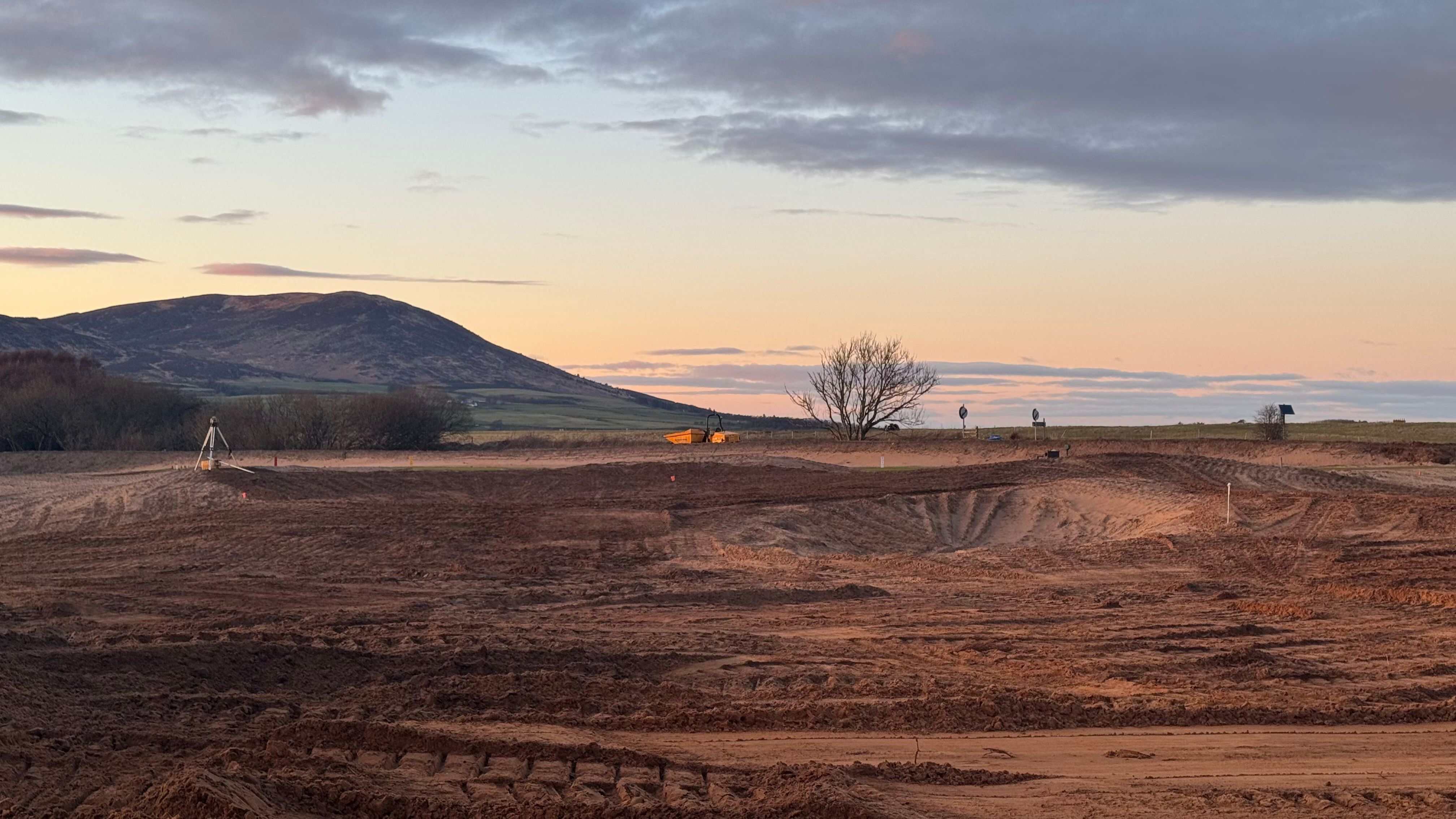
The rebuilt green complex and raised lower fairway formed the central technical components of the work. The lower section of fairway was lifted by almost a metre to address persistent drainage issues before being carefully regraded and returfed to reconnect seamlessly with the existing hole. Particular attention was paid to ensuring the new levels appeared entirely natural within the surrounding dune landscape. Rather than abrupt transitions or heavily manufactured shaping, the grading work sought to create subtle movement that felt consistent with the wider character of the site. The shaping process also allowed the strategic intent of the hole to be refined in detail on the ground. The positioning and relationship between the new fairway bunker and the existing greenside bunker were repeatedly reviewed from the teeing ground to ensure the intended visual illusion remained convincing. From the tee, the two bunkers appear almost visually connected, subtly discouraging the player from taking the ideal line despite the substantial distance separating them. Similarly, the visibility and orientation of the rebuilt green were tested extensively throughout construction. Flags were positioned across multiple areas of the putting surface to assess how the green revealed itself from different positions within the expanded fairway, particularly from the more challenging and strategically rewarded left side.
On the ground

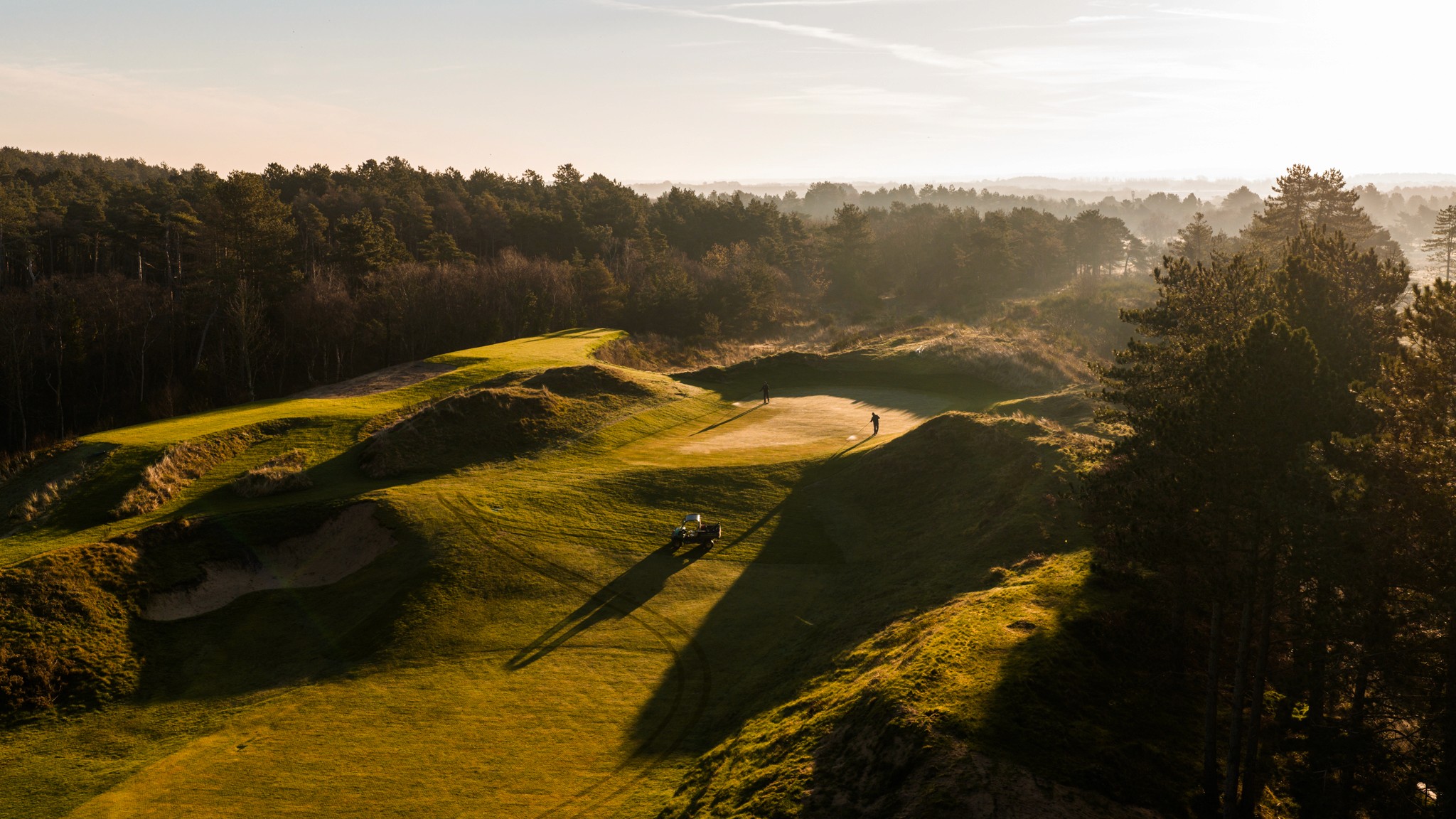
Site photographs.

01 / 11
Start a conversation

Considering the future of your course?

Early conversations are often broad and informal. We are always happy to discuss projects at any stage.

Contact McD&C