Why member communication matters in golf course architecture
Golf course change is sensitive
Golf course change is sensitive because members care deeply about the course. They know its holes, habits, frustrations and small pleasures. A proposal to alter a green, remove a bunker, reshape a fairway or adjust a line of play is therefore rarely received as a purely technical matter.
It touches memory, routine, pride and identity.
For that reason, golf course architecture proposals are not judged only on design quality. They are judged on how well the club has explained the problem, the reasoning behind the recommendation, the expected benefit and the route from proposal to delivery.
A good idea can struggle if members are left to interpret it from a drawing alone.
Drawings are important
Plans are essential, but they do not always explain the full story. A drawing may be clear to an architect, a course manager or a project group, but still feel abstract to a wider membership.

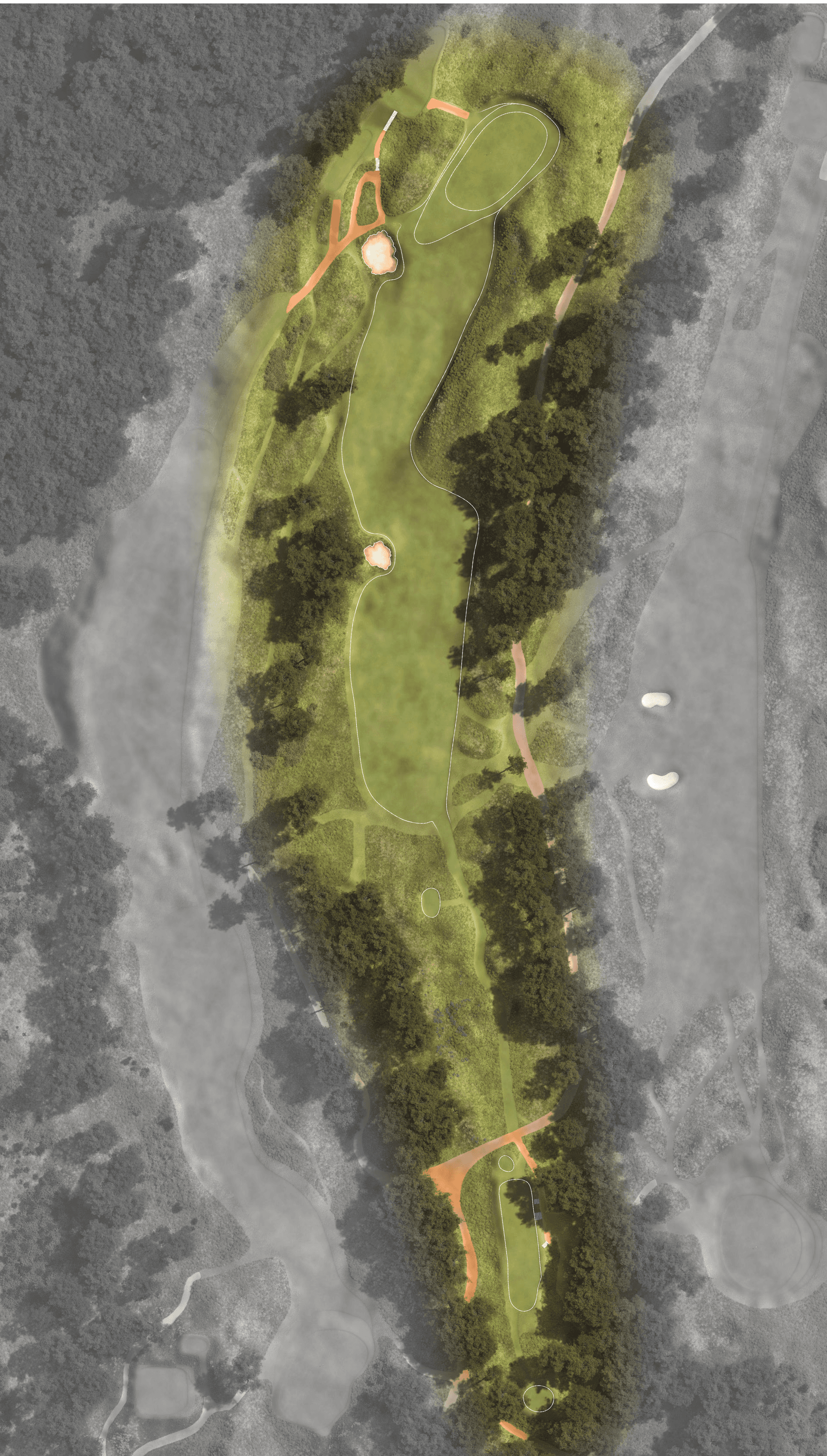
Visual comparisons, annotated photographs, plan overlays, hole-by-hole notes and member presentations can all help bridge that gap. They allow members to understand what is changing, what is not changing and why a recommendation has been made.
Good golf course member communication should also explain how work can be phased. This is particularly important when a proposal sits within a wider golf club masterplan communication process, or where several related changes need to be understood together. The Formby Golf Club project shows how drawings, strategy diagrams and visual explanation can help a proposed change become easier for members to understand and discuss.
Members do not need to be overwhelmed with technical detail, but they do need enough information to judge the proposal fairly.
A better-informed conversation
The purpose of communication is not to force agreement. A club does not need every member to see a proposal in exactly the same way. The aim is to create a better-informed conversation, so that support, concern and challenge are based on the right information.
This is where communication becomes part of the design process, rather than a marketing extra. A clear explanation can reveal whether the architectural idea has been properly understood. It can also expose practical questions that should be answered before implementation.
Member presentations for golf clubs, golf course design visuals and carefully structured reports are therefore not simply supporting material. They are part of responsible golf course change management.
This also connects closely with strategic masterplanning and early architectural advice. A club that understands its long-term direction is better placed to explain individual projects, while a club that asks the right questions early is less likely to find itself defending unclear or disconnected proposals later.
Key Points
Communication is part of design
A golf course proposal is more likely to be judged fairly when members understand the issue being addressed, the design reasoning and the likely impact on play, maintenance and presentation.
Visuals help members understand change
Annotated plan overlays, before and after comparisons and presentations can make architectural ideas more legible than drawings alone, particularly for members who are not used to reading plans.
Better information leads to better decisions
The aim is not to remove disagreement, but to help the club discuss proposals on clearer terms. This is especially important when individual projects sit within a wider golf course masterplan or improvement strategy.
“Clear communication does not remove debate. It improves the quality of it.”Sam Cooper